

Let’s Talk About Religious Trauma
What is religious trauma?
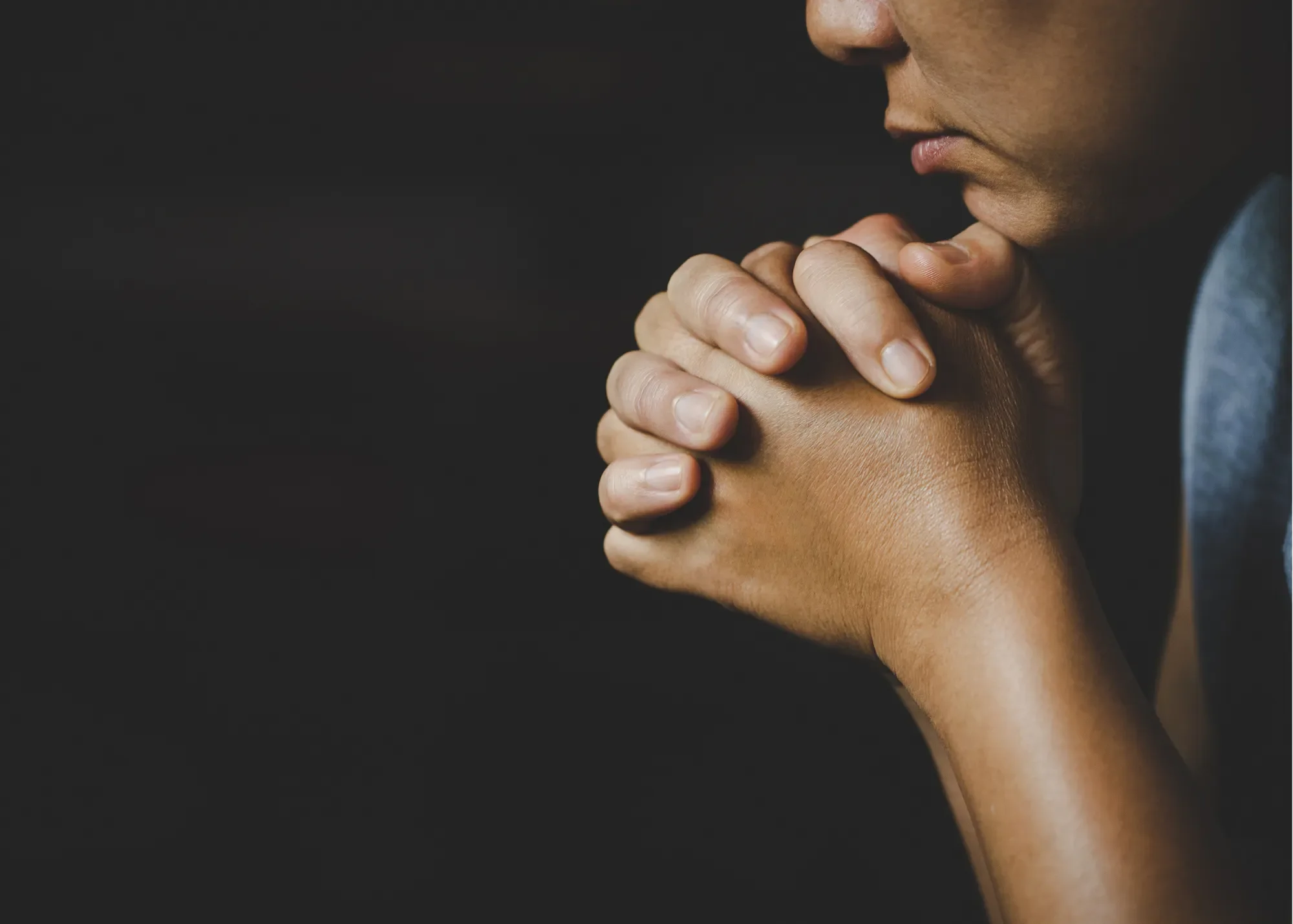
Religious trauma refers to the distress that a person experiences after being harmed by a religious experience or teaching. As a result, a person may experience a loss of meaning and identity alongside physical, emotional or cognitive symptoms.
“The opposite of faith is not doubt. It’s certainty. ”
What are the symptoms of religious trauma?
The symptoms of religious trauma are comparable to the symptoms of complicated post-traumatic stress disorder (CPTSD). Though the condition is not in the current version of the DSM, psychologist Marlene Winell has outlined clearly defined and recognizable symptoms. These have been developed and explored by other clinicians and researchers. Some common symptoms are listed below.
Anxiety & Fear
Abstract religious ideas like sin, hell or the end times can create intense fear in children who aren’t developmentally equipped to handle them. Symptoms often continue into adulthood and may include:
Fear of evil: intense dread or paranoia about spiritual threats like sin, demonic possession, spiritual warfare and secular influences
Scrupulously: obsessive rule-following, fear of punishment or being falsely accused of wrongdoing; paranoia about determining right from wrong
Superstition: magical thinking and or compulsions to use religious rituals to prevent bad things from happening
Afterlife anxiety: excessive fear about death, heaven or hell or obsessive worries about witnessing or ensuring the salvation of others
“Life is not a problem to be solved, but a reality to be experienced.”
Shame
People who have experienced religious trauma may never remember a time when they did not have a critical voice in their head, accusing them of being bad and worthless. Symptoms may include:
Low self-worth: believing that human beings are inherently bad, broken, or sinful, leading to excessively low self-worth and feeling of helplessness
Perfectionism: trying to compensate for perceived inadequacy using harsh self criticism and excessive achievements
Self-distrust: a lack of confidence in one’s own instincts and an over-reliance on others
“You either walk inside your story and own it or you can stand outside your story & hustle for your worthiness.”
Rigidity
People raised with rigid doctrine may have difficulty distinguishing opinions from facts. Symptoms may include:
Poor critical thinking: impaired decision-making as a result of suppressing curiosity, clinging to biases and rejecting contradictory evidence
Emotional suppression: habitually invalidating or denying emotions like anger and sadness, leading to depression, avoidance, numbness and stunted empathy
This all sounds pretty familiar. Now what?
There are therapeutic tools for working with religious trauma. The process of deconstruction can help people with religious trauma to examine their religious beliefs and values, learn self-compassion and embrace healthier, more flexible beliefs. Often, deconstruction deepens a person’s relationship to their faith, filling it with new color and dimensions.
